Accessibility in real settings
Access is something people experience.
We partner to improve how accessibility is planned, practiced, and experienced.
Our work brings together professional learning, consultation, implementation support, and practical resource development to move from insight to action.
Start a conversation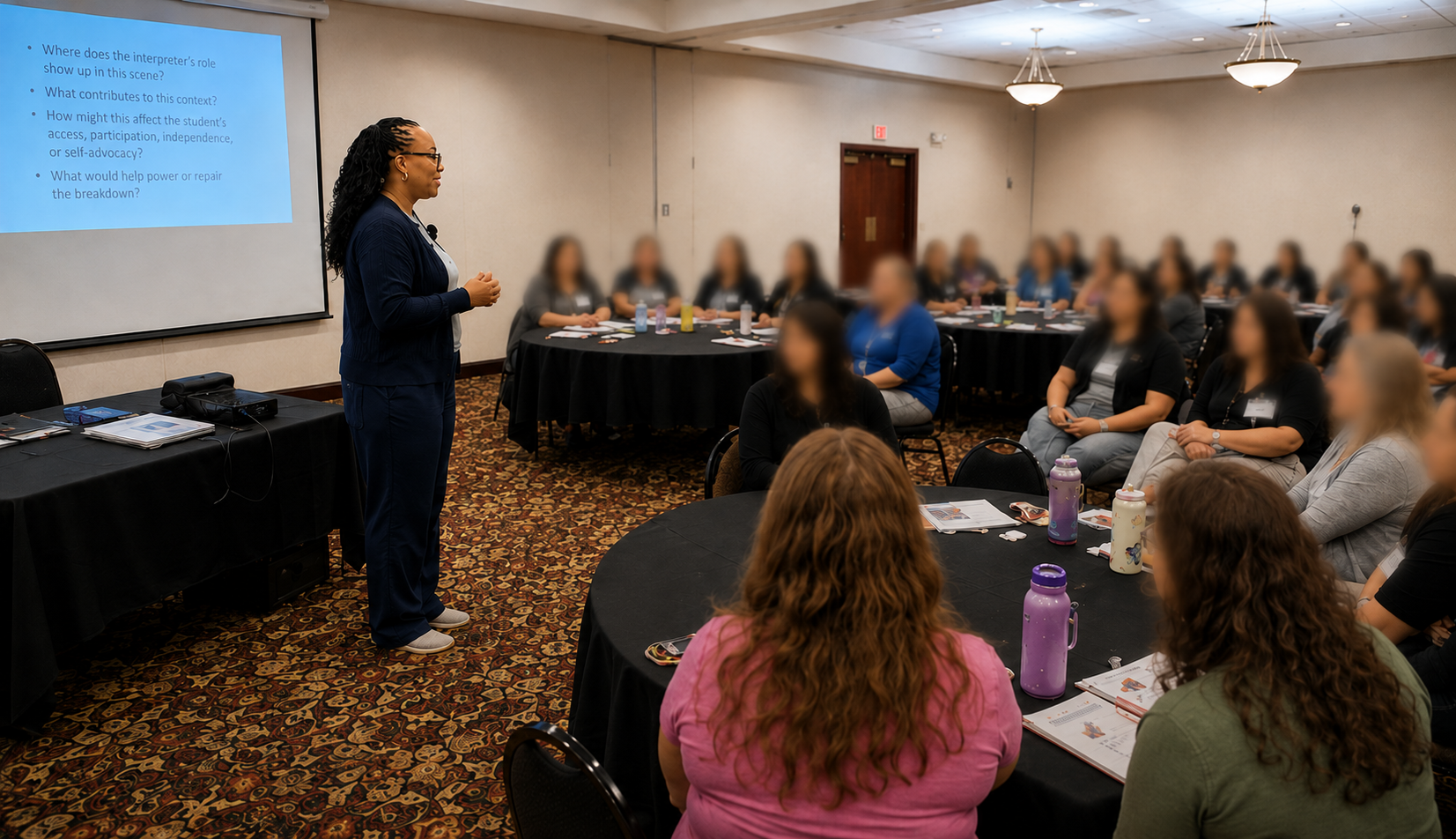 In Practice
Review
Look closelyExamine current practice, strengths, barriers, and the conditions shaping access.
Plan
Set a directionIdentify priorities and turn what we learn into practical, context-specific next steps.
Improve
Put change into practiceSupport implementation, reflection, and adjustment so improvements can take hold over time.
Partnership
Who we work with
Access challenges can sit with one practitioner, emerge across a team, or be shaped by broader organizational systems. We tailor each engagement to the people, setting, and priorities involved.
Areas of support
Support built around the work in front of you.
An engagement may address a focused training need, a question about practice, or a broader challenge requiring coordinated implementation.
What is a practice review?
Structured observation and facilitated reflection in real settings. We look at what is happening, name the patterns, and work out what would change them. The subject of the review is the access conditions, which includes decisions made by interpreters, teachers, teams, and the organization.
For interpreters
Interpreters build a habit of reflective practice: noticing what is happening around a student, weighing the factors that contribute, and grounding decisions in professional knowledge and the student’s access needs. The result is more intentional interpreting, and clearer information to bring to the team about how the student is participating.
Individual reflections stay with the interpreter, which is what makes them useful for growth.
For schools, districts, and organizations
You get a picture of what is shaping access across the setting: the conditions, the patterns, where access breaks down and what is contributing. Findings are reported at the team and system level, as a collective view of strengths and opportunities to strengthen student participation and engagement. Reporting at the team level keeps the focus on conditions that can be changed.
Purpose, confidentiality, reporting, and what happens to the notes are agreed in writing before any review begins.
The AIP Approach
Building meaningful access takes more than good intentions.
Start with experience
We look beyond whether a service exists and examine how people are actually able to participate, communicate, and act with autonomy.
Connect evidence to context
Research, standards, ethics, policy, professional knowledge, and lived experience become useful when they inform decisions in the setting at hand.
Build for implementation
Recommendations become usable tools, clear next steps, and structures that people can realistically carry forward.
About the consultant
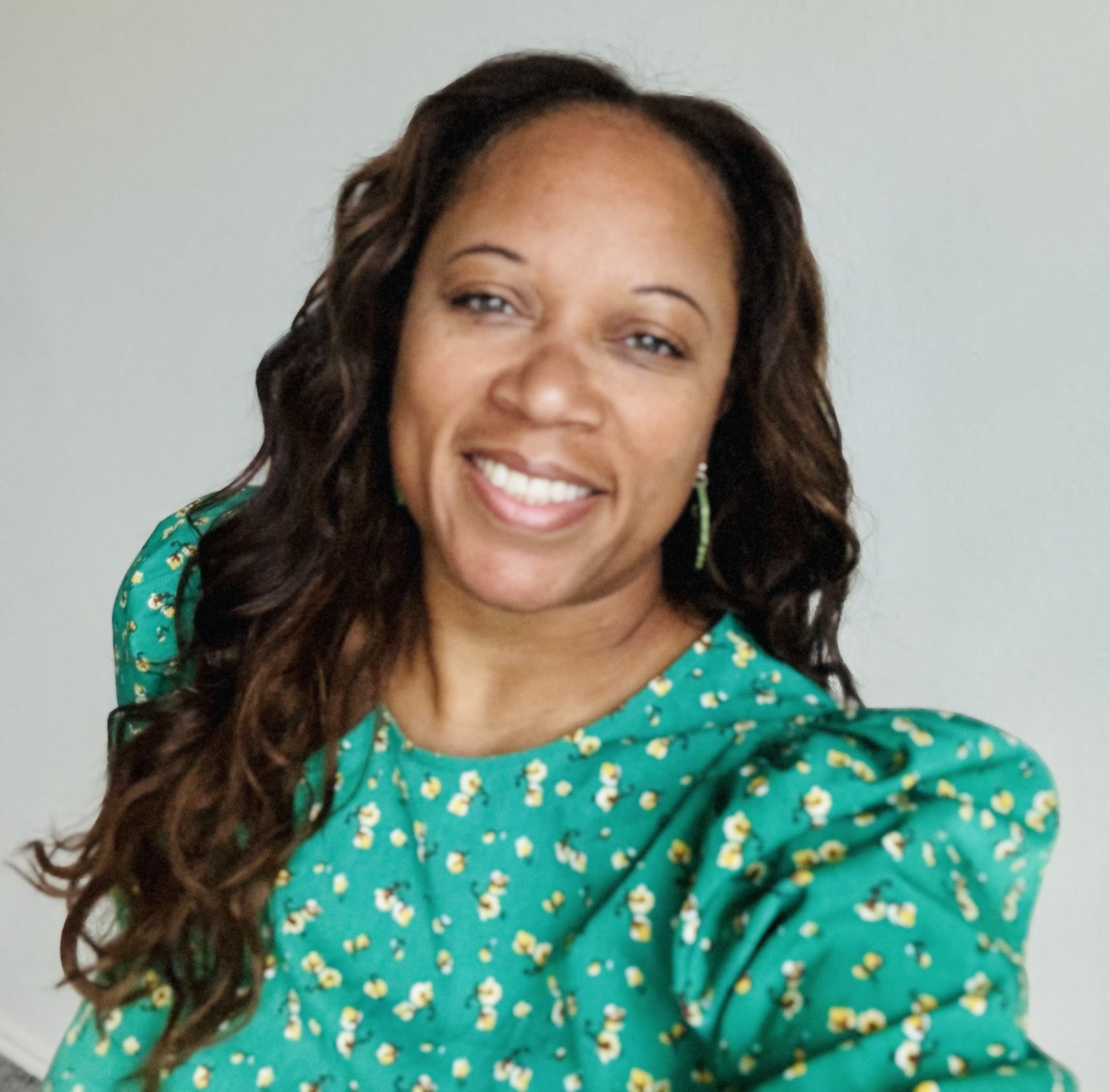
Tia-Nikki Ivanko
Founder, Access in Practice
Nationally certified interpreter (NIC) • Educational Interpreter Performance Assessment (EIPA): 4.7 • ADA Coordinator credential (ADAC) • M.S., Deaf Education
Tia-Nikki Ivanko has spent more than 25 years in education working with and on behalf of deaf and hard of hearing students. She has been a teacher of the deaf, a collegiate accessibility coordinator, and an interpreter trainer, and has been a nationally certified interpreter since 2011. Her educational interpreting background includes a 4.7 rating on the Educational Interpreter Performance Assessment (EIPA).
Most recently she served as Co-Director and Co-Principal Investigator of the National Deaf Center on Postsecondary Outcomes, a federally funded national center, where she spent nearly a decade leading technical assistance, professional learning, resource development, and organizational operations. Her earlier work includes PEPNet 2 and postsecondary disability services.
Central to her work is ensuring that accessibility meets the needs of the people using it and opens real opportunities to engage and participate. Access in Practice grew out of a commitment to equity for deaf and hard of hearing people, and to the practical work of examining current practice, setting direction, and intentional planning for strengthening delivery of services. Tia partners with interpreters, educational teams, schools, and organizations to look closely at current practice, set a realistic direction, and build conditions that result in sustainable improvements.
Contact
Start a conversation.
Have a training need, practice question, or implementation challenge? Tell us what you are working on and we can explore whether Access in Practice is a good fit.
Send an inquiry
Share a little about your setting, question, or support need.
Accessibility
Access in Practice is committed to making our digital information and resources accessible. If you encounter a barrier using this website or need information in another accessible format, please contact admin@accessinpracticeconsulting.com . We welcome feedback that helps us improve the accessibility of our materials and services.
Contact
Start a conversation.
Have a training need, practice question, or implementation challenge? Tell us what you are working on.
Accessibility is part of how we plan and deliver our work. If you need an accommodation or another way to connect, please let us know.
Information submitted through this form is used to respond to your inquiry.